Mafalda Johannsen on Training Sales Teams, Remote Work Culture, and Why Networking Still Wins
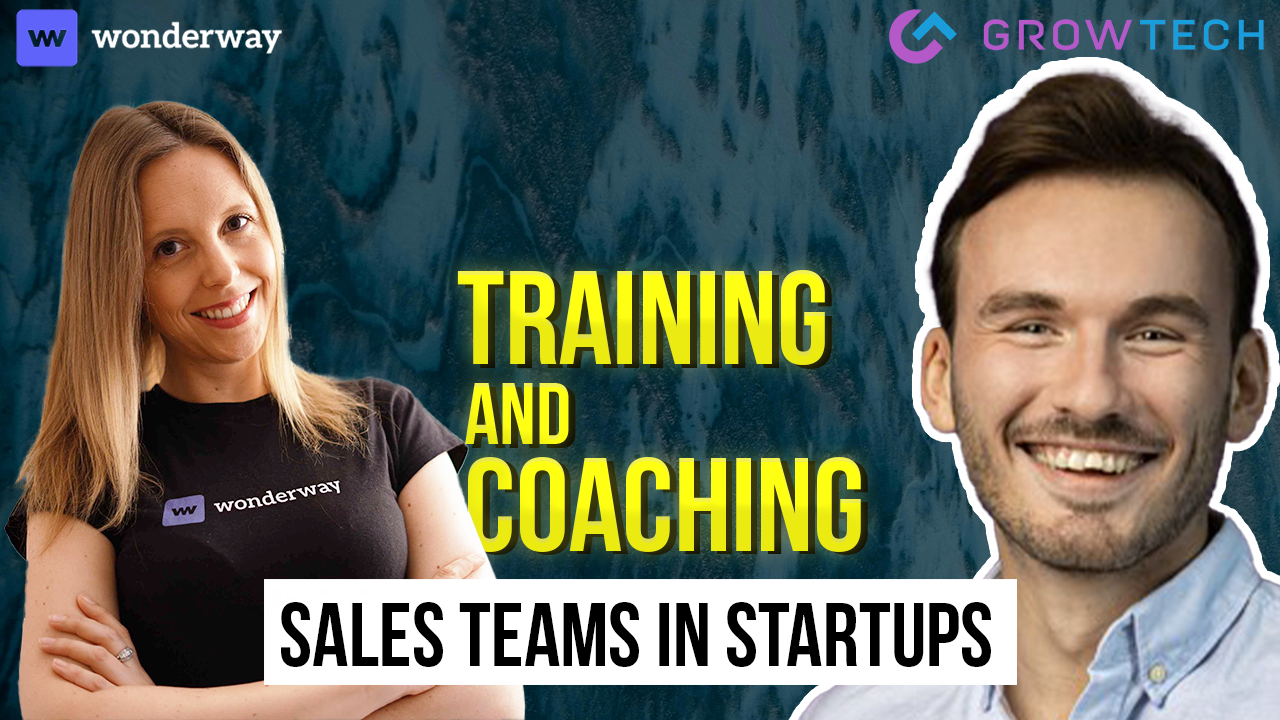
In this episode of Startup Sales Talks, Dom sits down with Mafalda Johannsen, Director of Growth at Wonderway. Mafalda is one of those rare operators who combines deep commercial experience, international perspective, and a very human-centric approach to leading revenue teams. Her background stretches across tourism, events, tech, 100 percent commission sales in the US, business school in South Korea, and even the music industry. All of it gives her a widened lens on how people think, learn and perform. And it shows in the way she builds enablement, onboarding and culture inside startups.
The career path that shaped a modern operator
Mafalda calls her career a mix of variety, chance and intention. She sold door to door in the US with no base salary, managed operations in tourism, drove business development in Germany and Belgium, worked in multicultural teams, studied abroad, and even trained in classical music and theater. Every one of those experiences sharpened different instincts. International exposure gave her range. Arts gave her communication and emotional awareness. Tourism taught her pace and chaos management. And that pure commission job built the kind of resilience that never leaves you.
She says starting with the hardest possible version of sales made everything else feel easier. When the worst case scenario is not being able to pay rent, missing quota in a stable tech role becomes manageable. It’s one of the reasons she stays calm under pressure today.
Building growth teams inside a remote startup
At Wonderway, Mafalda leads growth, which unites business development, customer success and marketing under one umbrella. In a small startup, this alignment makes a huge difference. Messaging stays consistent, handovers are cleaner, feedback loops are tighter, and the team can see the whole revenue picture instead of living inside separate functions.
Wonderway itself is fully remote. Mafalda is a believer in remote work done properly, not as an accident. Remote only works if the systems behind it change. Calendars matter. Documentation matters. Overcommunication matters. People need clear routines, personal check ins, and social touchpoints that don’t feel forced. When done well, remote unlocks a healthier lifestyle, more focus and fewer constraints for people who want to do great work without wasting hours commuting.
At the same time, remote work needs structure. Companies must compensate for the lack of hallway conversations by creating deliberate moments to connect. Mafalda schedules personal non work chats with teammates, encourages constant context-sharing in Slack, and ensures the company meets in person for retreats. Remote does not mean isolated. It means intentional.
How onboarding actually works in a remote world
One of the hardest challenges for early-stage startups is onboarding. Most companies still treat onboarding like a long lecture. Mafalda argues the opposite. Onboarding must be practical, short, and full of assessments that mirror the day-to-day work. If someone learns how to write an email, the assessment is writing an email. If someone learns about personas, they should build a target list. If someone learns qualification, they should run a mock discovery call. A quiz doesn’t tell you if someone will perform. A real output does.
She sees red flags fast. If someone cannot write a solid outbound message by week two, it will not magically improve after ramp. A strong onboarding program surfaces strengths and weaknesses early, so founders can coach the right way or intervene before months are lost.
This mindset is at the core of Wonderway’s product. Their platform reduces ramp time because it forces teams to focus on what actually matters: relevant material, hands-on learning and feedback loops instead of endless presentations. Companies that use it see reps getting productive faster and managers understanding exactly where to coach.
Sales and customer success need to talk far earlier than most companies think
Mafalda leads both business development and customer success, so she sees how many problems come from misalignment. The biggest mistake? CS joining the process only after a deal is closed. Startups should bring CS into late stage sales conversations so prospects already meet the person who will guide them post-sale. Expectations become clearer, and handovers become smoother. It’s not about bureaucracy. It’s about making the customer feel like the same company is speaking to them before and after they sign.
As companies grow, technology also plays a role. Shared implementation tools, structured notes and repeatable processes reduce the “what did sales promise?” effect and protect customer trust.
What real coaching looks like inside a startup
Coaching is often talked about, rarely executed. Mafalda explains that most managers don’t coach because they lack time or don’t actually know how to teach skills. Many companies try to fix this by pushing generic workshops. But coaching only works when it is intentional, relevant and tied to real behaviors. If the training doesn’t help sales reps make money, they will tune out.
She emphasizes one rule: training must never be a tick-box. If it does not help reps hit targets, it’s noise. For founders, this means picking one or two skills that directly affect revenue and building consistent sessions around them. Even better, tie coaching to real data, recorded calls, messaging examples and customer scenarios.
Wonderway recently launched an AI coach to help teams scale feedback when managers are overloaded. It gives reps personalized, real-time insights on their calls without waiting for a weekly one-on-one. Mafalda sees this as the next evolution in enablement: removing bottlenecks so coaching becomes continuous.
The underrated power of networking
Mafalda is a strong believer in networking. Not in the cliché sense, but in the compounding effect of being visible, helpful and connected. Much of her career evolved through introductions, creative projects, content and showing up consistently online. She treats LinkedIn as a long-term credibility engine rather than a content farm. Engage thoughtfully. Share useful ideas. Help people find jobs. Ask questions. Show personality. Over time, people begin to trust your voice.
She also believes in conferences when done with intention. Big events are a waste of time if you show up unprepared. But if you treat them like prospecting — pre-booking meetings, preparing talking points, and following up properly — they can accelerate deals faster than months of cold outreach.
Habits, learning and everything outside of work
Mafalda keeps learning through her team, through LinkedIn, and through experts like John Barrows. She stays plugged into the German sales community through Masterclass for SDRs, and still believes in hands-on learning far more than theory.
Outside of work, she manages marketing and PR for a jazz band. It’s a creative outlet that ironically sharpens her commercial skills at the same time. She runs campaigns, grows Spotify listeners, manages interviews, and treats the band like a real brand. It’s a reminder that skills travel. Everything strengthens everything else.
Final thoughts
Mafalda Johannsen brings a refreshing mix of structure, empathy and global perspective to sales leadership. Her approach blends the discipline of enablement, the creativity of marketing, and the cultural awareness of someone who has lived and worked all over the world. Whether you’re a founder building your first sales team or a manager trying to improve onboarding and coaching, this episode delivers practical truths and reminders you can apply immediately.
If you want to explore Wonderway’s new AI coach, it’s available for anyone to test directly without booking a demo. And if you want insights on personas, sales training or the craft of selling, Mafalda’s podcasts are open to everyone.