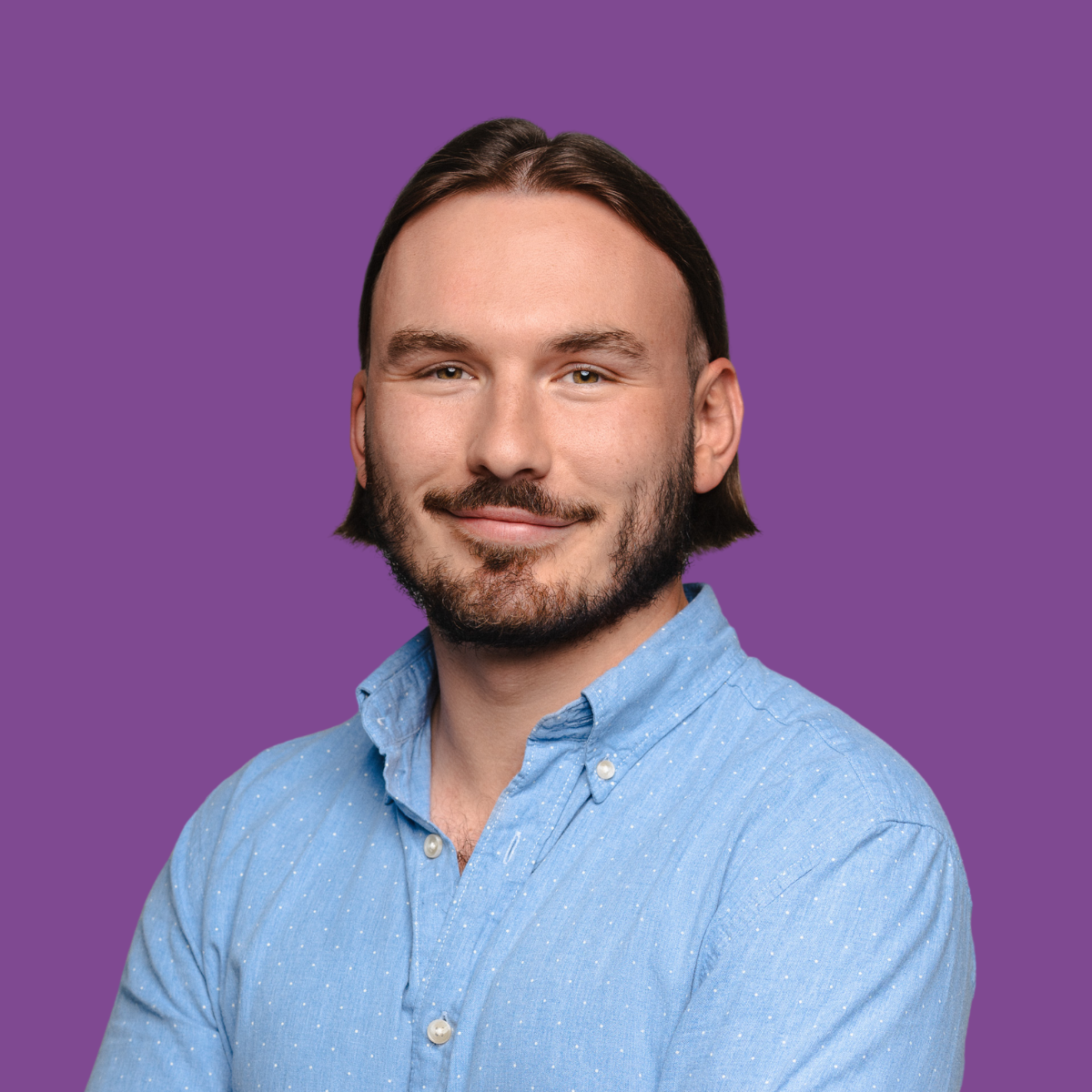
Amit Goldman on Selling to Doctors and Navigating Healthcare Innovation

When you talk to Amit Goldman, you realise quickly that she lives in two worlds at once. One is clinics, patients, epidemiology and medical audits. The other is sales calls, product demos and startup decks. She has stitched those worlds together into a career that is all about one thing
helping good medical technology actually reach doctors and patients.
Amit Goldman: “One of the best pieces of advice I got was look at the person and ask if you want to be like them.”
That single idea pushed her away from a safe traditional medical path and into healthcare sales, marketing and venture.
From med school to health tech and venture
Amit started in classic fashion. Med school. A degree in public health. A family full of healthcare professionals on her mothers side. She was essentially raised to be in medicine.
While still a student she interned at one of the biggest private clinic chains. There she faced her first fork in the road.
Do medical audits and keep her mother happy.
Or jump into sales and marketing and risk a very different career.
Her future boss in sales and marketing had a background similar to hers and seemed like someone worth becoming. That was enough. She chose the unconventional path and never left it.
She went on to work in sales for major medical centres, selling serious treatments to real patients, not just software to departments.
Amit Goldman: “You see patients getting the care they need and it feels like your daily work actually matters.”
Tech came later. A successful serial founder invited her to join an early team building a telemedicine and electronic health record solution just as the world was entering the first waves of lockdowns. Tele visits went from curiosity to necessity almost overnight.
She got a front row seat to something most people only read about. When timing finally matched need, an idea that had felt early suddenly became obvious and urgent.
That led to her current roles with Lapsi Health and with DigitalDx Ventures, a fund that focuses on digital diagnostics.
The innovation that excites her most
Amit has seen every layer of healthcare technology
- care delivery
- clinic operations
- electronic records
- diagnostics
- preventive care
- consumer wellness
What excites her most is simple to describe and complicated to build. Truly personalised care.
She tells a small story. At a recent dermatology check, her doctor did not just glance at her moles through a scope and move on. They took detailed images to store and compare year after year.
Amit Goldman: “Next year that same mole is not just a memory. It is a data point that can be compared to last year.”
That tiny change hints at a much bigger shift.
Care that is not built for an average person of a certain age and gender, but for you as an individual.
Devices and software that continuously track what matters for your body.
Data that can show subtle shifts before disease becomes serious.
From continuous glucose monitors to cycle tracking apps like Flo to hormone and sleep trackers, Amit sees a clear pattern
Patients who want to understand their own bodies
Doctors who have very limited time
Tools that compress complex data into simple insights for both sides
The goal is not to replace physicians. It is to give both sides enough context so that a twelve minute visit is not wasted on catching up.
Selling to physicians is nothing like selling to tech buyers
Many founders treat physicians like any other persona in a customer relationship management system. Amit is very direct that this is a mistake.
Amit Goldman: “If you leak data about a high profile patient, that doctor is the one who gets dragged into court.”
That simple fact drives completely different buying behaviour.
Doctors care about
data privacy and liability
clinical validity and evidence
specificity and sensitivity for diagnostics
real workflow impact
support during onboarding and beyond
They also do not live on the same channels as typical software buyers. Twitter threads about growth hacks will not move them. TikTok dances from flashy doctors might bring patient traffic but rarely convince other clinicians to adopt enterprise tools.
Amit has seen companies assume that a physician with a huge follower count will bring in dozens of medical users. In reality, clinical influence often sits with quiet specialists who barely post online but lead committees, publish papers and shape guidelines.
Trust is everything. Expertise is non negotiable.
If you come from outside medicine and try to sell into a hospital with shallow knowledge, most physicians will sense it within minutes.
Amit Goldman: “You have to really understand the field you are operating in. Otherwise they will feel you do not even know what you are talking about.”
On top of that, the physician is not always the buyer. Procurement is often controlled by administrators, boards and payers. In many markets, the critical question is not whether a doctor likes your product but whether it is reimbursed and how.
What Clubhouse taught her about networking in healthcare
During lockdowns Amit helped run the largest medical community on the audio platform Clubhouse. Meta Club gathered around twelve thousand people from across the world to talk about vaccines, telemedicine, diagnostics and digital health.
They hosted presidents of major medical associations, professors from top universities, policy makers and frontline clinicians. Discussion rooms with ten thousand listeners were not rare when the topic was urgent enough.
Amit Goldman: “You could not go to conferences, but you could open an app and talk live with people you only read about before.”
That experience changed her network and her opportunities.
She met her current founder there.
They attracted investors through those conversations.
She built relationships with experts who now serve as advisors, customers or collaborators.
It also reinforced one of her core beliefs. Progress in healthcare is less about having the smartest idea and more about knowing whom to ask, what to ask, and when.
How founders should approach the medical field
Amit does not sugarcoat it. Building in healthcare is slower and harsher than in most other industries. The regulatory path is complex. Reimbursement decisions can take years. Clinical trials swallow entire funding rounds.
So her advice to non medical founders is blunt.
Amit Goldman: “You can spend your whole life knocking on doors and figuring it out alone. Or you can bring in someone who already knows the map.”
That someone can be
a cofounder with clinical or regulatory experience
a small group of serious advisors
entrepreneurs in residence through a specialised fund
The goal is not to outsource thinking. It is to avoid wasting years on avoidable mistakes.
She gives common examples
Founders building a perfect product in isolation, then discovering that physicians are not the decision makers in their target system.
Teams assuming reimbursement is a formality, only to discover that their use case does not fit any existing code.
Early stage startups hiring very expensive sales teams in the United States before they have even proven that anyone wants the product.
Her preferred pattern is very different.
Validate the problem and the willingness to pay early, even with a rough product or a strong concept.
Use a lean sales approach in more affordable markets to test messaging and positioning.
Involve experts in regulation, clinical workflow and payer expectations before committing to a long and expensive path.
Wellness products can sometimes move faster and with less regulatory weight. Amit points to companies like Flo and Kilo Health as examples where non doctors built successful products but surrounded themselves with serious clinical advisors and scientific leadership.
The rule still holds. If you build anything that touches real health decisions, you need real medical and regulatory expertise in your corner.
Why this matters now
Populations in Europe and beyond are ageing. Chronic conditions are increasing. Healthcare systems are under constant pressure. At the same time, technology is finally mature enough to personalise care, analyse complex medical data and deliver diagnostics outside large hospitals.
For Amit, that combination creates a rare window.
Amit Goldman: “You cannot know everything. But you can build a network that does, then use it to do real work that helps patients.”
Founders who respect the complexity of medicine, learn to sell to physicians properly and partner with the right experts have a chance to build companies that do more than just grow fast.
They can change how people experience illness, prevention and everyday health.